May 18, 2023
Which is better Quartz or Marble?
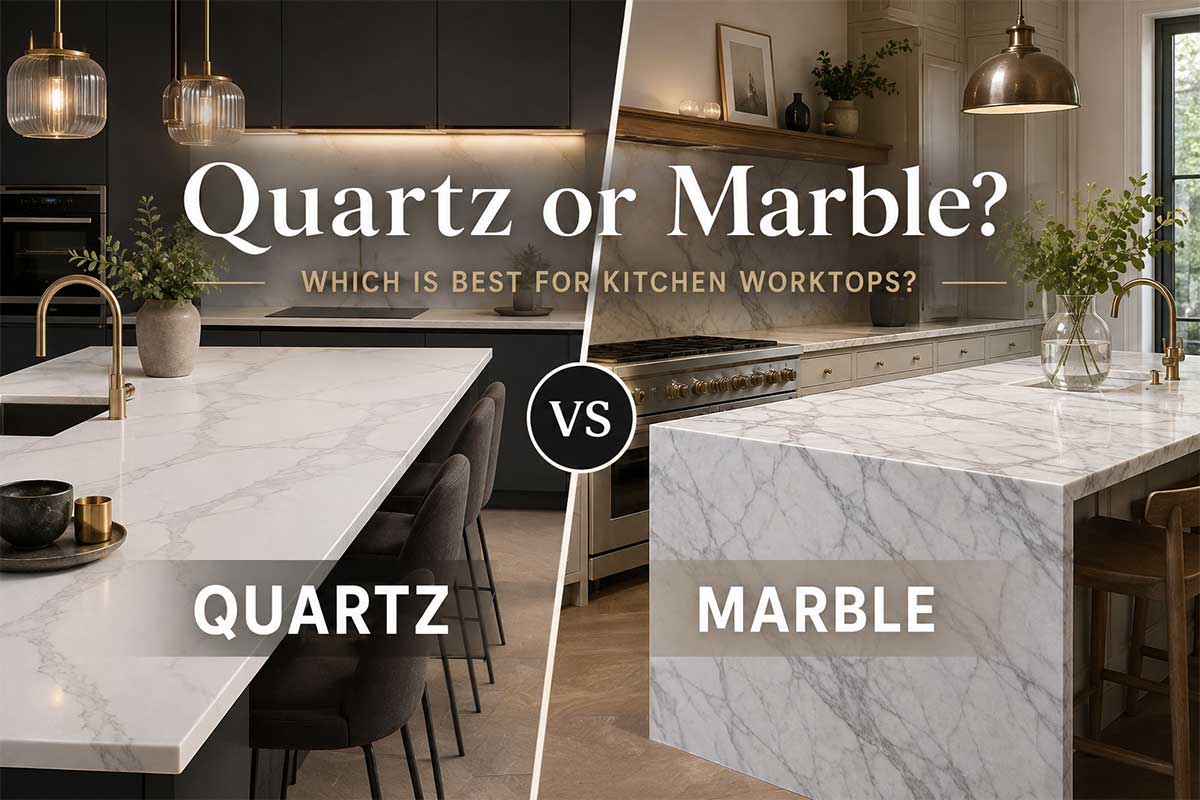
Quartz or Marble Worktops: Which is the Best Surface for Your Kitchen?
Thinking of upgrading your kitchen with quartz counter tops or marble worktops but not sure is best? When making your decision it is important to understand the differences between the materials, how to care for them and how you intend to use your new stone worktops.
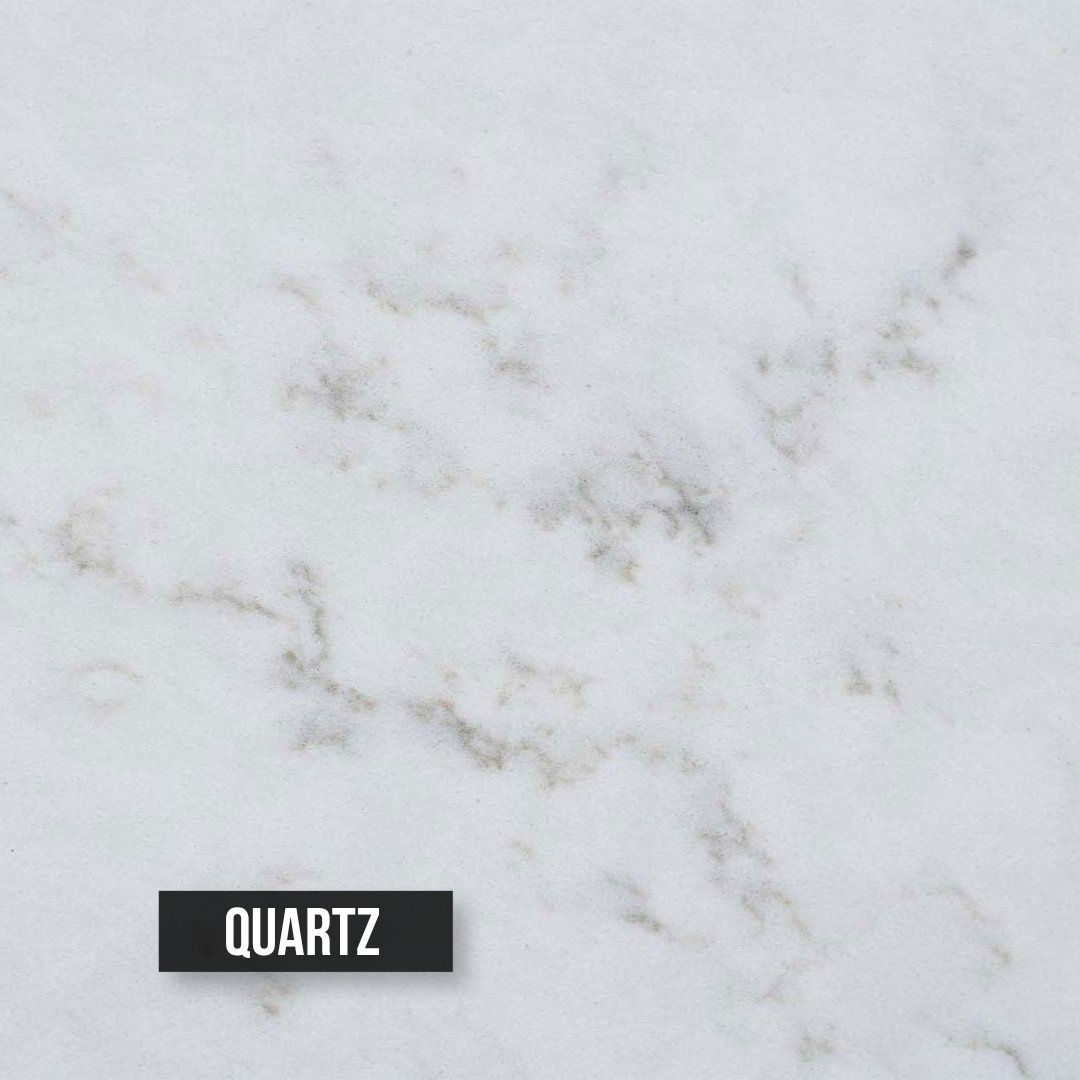
Made by combining crushed quartz crystals with resins, quartz worktops are robust, stain-resistant and low maintenance. And as quartz is an engineered stone, you can expect consistent colours and patterns, including designs that mimic authentic stone finishes such as marble and granite.
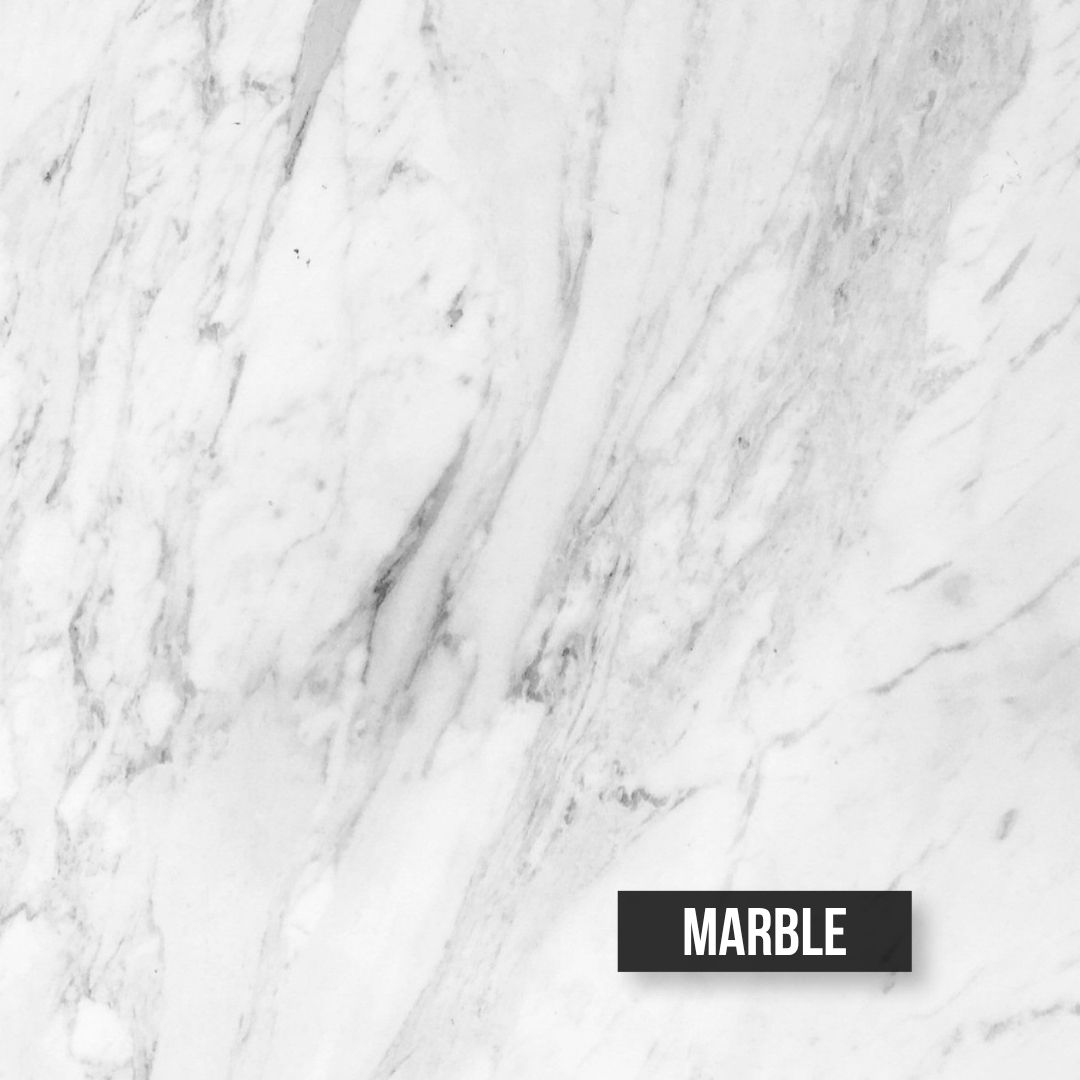
Natural marble, on the other hand, is a natural stone formed through heat and pressure over time. It offers a unique beauty that is hard to match, and each slab boasts unique patterns and colour variations. However, marble worktops do need more care as they’re more prone to scratching and staining. The right choice of worktop material will therefore depend on your priority: aesthetics or practicality.
Key Takeaways
- Quartz worktops offer better durability and require less upkeep
- Marble offers natural beauty with unique patterns but needs more care
- Both materials are however practical and suit different kitchen styles
Quartz or Marble Worktops: An In-Depth Comparison
When considering quartz or marble worktops it is important to understand their composition as they differ in terms of how they’re made, their strength, and porosity. Understanding these qualities and differences will help you choose a material that best suits your environment and needs. Let’s compare them in more detail…
Composition
Marble is a natural stone formed when limestone is subjected to immense heat and pressure deep within the earth. This process creates unique slabs with natural veining. Marble is quarried and cut into slabs which are then fabricated and shaped into worktops and splashbacks.
Meanwhile, quartz worktops are man-made by blending 90-95% crushed quartz crystals with a mix of resins and pigments. The process makes for strong kitchen worktops, and the pattern and colour can be tailored as preferred.
Durability and Longevity
Quartz is more durable and practical for everyday use. It is non-porous, so can resist spills and stains well, including oil, wine and coffee without absorbing them. Quartz also stands up to scratches better than marble, making it ideal for busy kitchens and bathrooms.
Marble is a softer natural stone and an offer less resistance to scratches, so you’ll need to be more careful with knives and heavy pots. As a porous stone, it also needs regular sealing to protect against stains caused by spillages and is particularly vulnerable to acidic substances. As such, marble is less durable than quartz and while it is suitable for worktops, it does require sealing to maintain its appearance and water resistance.
Quartz or Marble: Aesthetic Differences
Marble is a natural stone with a soft, elegant appearance that is highly prized in luxury kitchens and bathrooms. Its distinct colour variations, subtle veins and swirling patterns add character and ensure your worktops are the focal point. Common marble tones include neutral white, cream and grey (exotic varieties are available in other colours) and to complement a range of interiors. One consideration with marble and similar natural stones is colour and pattern variation between slabs. This is normal, but something that needs to be considered for larger projects where multiple slabs are used. Marble will also take on a lovely patina over time and this is part of the unique character the make the stone so prized by some people.
If natural character and material variation are an issue for you, quartz offers greater consistency and design flexibility. The pigments used are evenly distributed to mimic the look of marble, but with more colour stability and options. As a result, this modern worktop material may be best if you’re after a sleek uniform look or a specific shade.
Edge Profiles
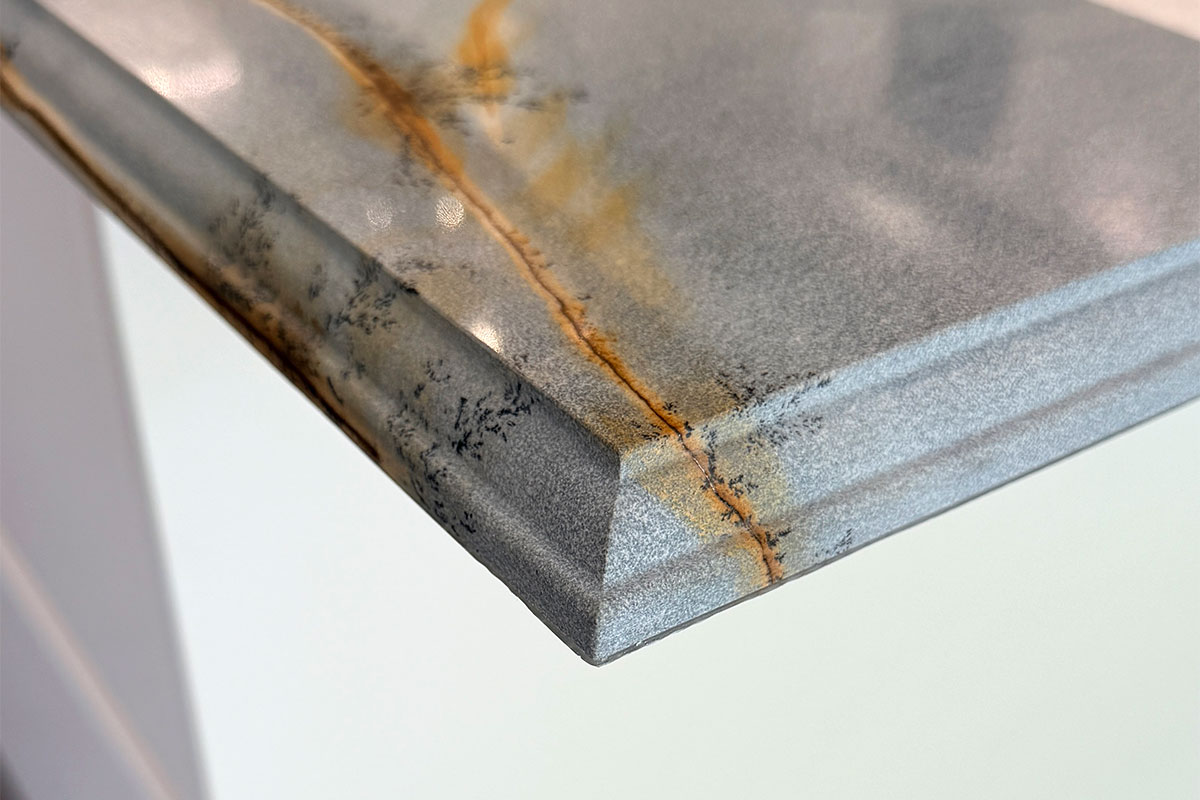
Edge profiles affect both the style and feel of worktops. Simple edges like straight or squared looks suit contemporary designs and highlight clean lines. More detailed edges, such as bevelled or bullnose, add softness and traditional appeal.
Marble often benefits from these softer edge finishes because they complement its natural look. We can also produce deeper “stacked” edges for a really luxurious aesthetic. Quartz’s durability allows it to support more intricate edges, including either sharp or rounded edges, to suit your kitchen’s style. The choice is yours! Visitors to our showroom in Storrington can view a wide variety of edge finish examples.
Quartz vs Marble: What is the Cost Difference?
Please note that the cost of quartz and marble worktops can vary significantly depending on quality, rarity, thickness, edge detailing, and complexity of each project. The information below is a comparison of the general costs of each material and does not include fabrication costs.
As with similar natural stone surfaces, marble worktops typically have a higher upfront cost due to the costs of quarrying and processing the stone. This varies by the type of marble (and its rarity), origin and availability – you’ll pay more for rarer forms that are in short supply. On top of that, you’ll need to consider the longer-term requirement to seal and maintain marble over time.
In comparison, quartz worktop prices are more predictable and usually slightly lower than marble. That’s not to say quartz is cheap, but its engineered nature means costs can be controlled through production. It also offers good durability and does not need to be sealed.
Factor | Marble | Quartz |
Initial Cost | Generally higher | Typically moderate |
Maintenance | Regular sealing required | No sealing needed |
Durability | Softer, prone to stains | Highly durable, stain-resistant |
In summary, when choosing quartz or marble, quartz worktops can be slightly cheaper and are more practical for busy households. And if you’re prioritising marble’s classic beauty, you should be prepared for additional maintenance requirements and costs.
How Do You Clean Quartz and Marble Worktops?
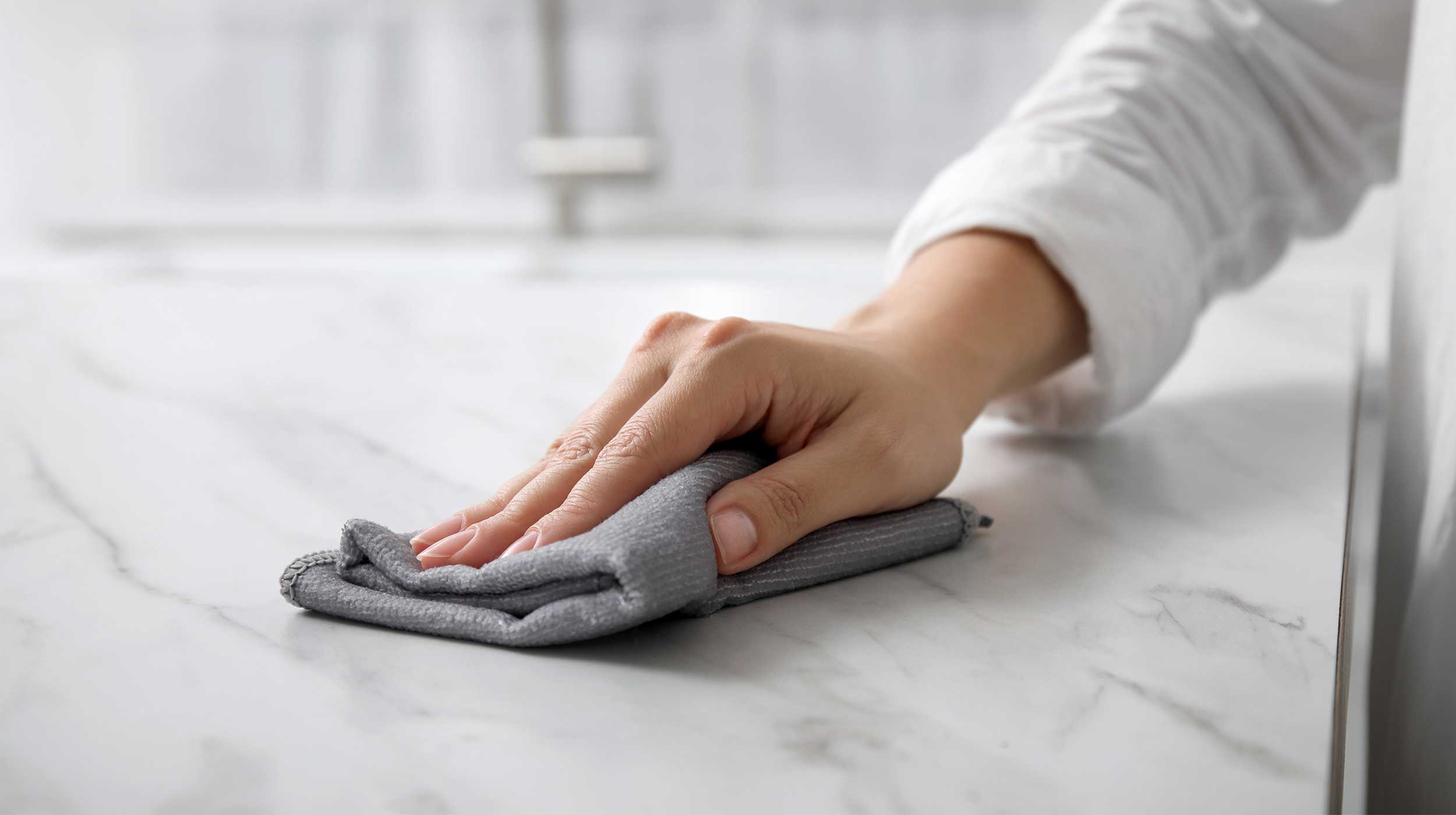
On the subject of maintenance, quartz worktops can generally be wiped clean with warm soapy water and a soft cloth – easy! Just remember to avoid harsh chemicals and abrasive pads to avoid damaging the surface.
When it comes to cleaning marble worktops, you’ll need to take a bit more care. Marble calls for gentle cleaning with a pH-neutral cleaner to avoid etching – you can buy specialist cleaners for peace of mind. Spills should also be wiped up immediately to prevent staining and the surface will need re-sealing periodically to minimise its porosity. We recommend using trivets or surface protectors for chopping and hot pans on marble surfaces.
Read our dedicated stone worktop cleaning guide for expert tips and advice.
Environmental Impact: Marble vs Quartz
Both marble and quartz are long-lasting worktop options, but their environmental impact depends on how they’re sourced and manufactured.
Quartz is made from ground stone and often uses recycled materials, while marble comes only from select quarries and is time consuming and costly to extract. Either way, both require raw materials to be transported to factories for porcessing, adding to their carbon footprint. Marble tends to be heavier and more fragile, so needs extra care during shipping, increasing costs.
When it comes to manufacturing, quartz surfaces combine mineral particles with resin for strength and requires minimal maintenance, which can lower its lifetime impact. Marble is a pure natural stone but is softer and requires sealing, meaning it will need more care over the years.
In short, neither material is without impact. With that said, responsible suppliers who are committed to eco-friendly processes can make both marble and quartz more sustainable. For example, by recycling water, repurposing offcuts and exploring end-of-life recycling solutions. A further consideration with natural stone and manmade stone surfaces is their lifespan. Properly maintained, stone worksurfaces can easily last for 25 years or more, far outlasting cheaper wooden and Formica worktops.
Factor | Quartz | Marble |
Raw material source | Abundant quartz, mining impacts | Quarrying impacts, limited sites |
Binding material | Resin from fossil fuels | Natural stone, no resin |
Maintenance | Low, no sealing needed | Higher, needs sealing/polishing |
Production waste recycling | Emerging but limited | Less common |
Longevity | Durable, long-lasting | Softer, more prone to damage |
Choosing the Right Quartz or MarbleWorktop for Your Space
Choosing quartz or marble worktops depends on how your kitchen (or bathroom) will be used, your lifestyle and your budget. Practical needs like durability and ease of care must be weighed up alongside style and cost considerations.
Quartz worktops are highly durable, non-porous and resistant to stains and scratches. This makes them an excellent choice for busy kitchens, family homes and anyone who prefers a low-maintenance surface. Their consistent colour and pattern also make quartz ideal for modern, streamlined designs.
Marble worktops, on the other hand, are a timeless choice and capture the beauty of natural stone. Each slab is one-of-a-kind, adding a sense of luxury and individuality to your kitchen. However, marble is softer and more porous, meaning it needs sealing and more careful cleaning to prevent damage and marks. For that reason, marble is often chosen for lighter-use kitchens, bathrooms or statement areas where aesthetics are the top priority.
So quartz or marble what’s the verdict?
The question of quartz vs marble comes down to a personal decision on cost and how your worksurfaces will be used. If practicality, uniformity and easy cleaning are your main priorities, we’d recommend opting for quartz or marble effect quartz worktops. However, if you value natural beauty and patina, want a truly unique finish and don’t mind a small amount of extra upkeep, marble worktops are still a good choice.
Bespoke Marble and Quartz Worktops – Supplied & Fitted
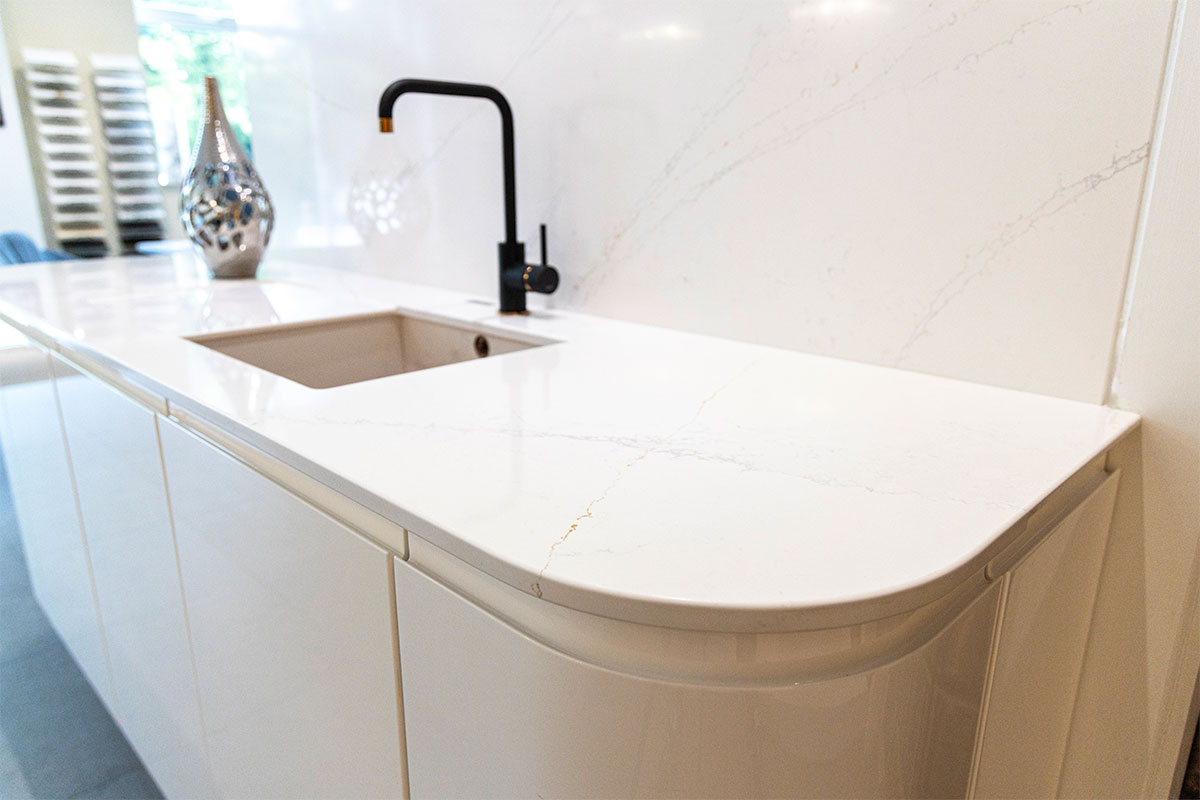
Made your decision? At LBS Stone, we work with many leading suppliers like Caesarstone, Silestone, The Marble & Granite Centre and Cullifords, to provide an extensive choice of premium stone surfaces. That includes sleek quartz worktops in solid colours and realistic stone effects (including marble), alongside a variety of classic marbles rich with character and natural veining. Whatever you’d prefer, we have a stone to suit your preference and style!
What’s more, to make sure your chosen worktop looks its very best, we offer a comprehensive measuring and installation service. Using advanced digital laser templating, our team will capture precise measurements of your worktops and generate a digital template. This information is then fed directly into our state-of-the-art cutting machinery, allowing your quartz or marble worktop to be shaped faster and with exceptional accuracy. We can also provide advice on layouts if you’d like a change or have existing fixtures to work around.
Once manufactured, we’ll return at a time that suits you to install your custom worktops. This step is crucial as both quartz and marble slabs are heavy yet fragile if not handled and balanced correctly. Our experienced installation team will transport and fit each piece with care, using professional-grade adhesives and sealants to achieve a long-lasting finish.
Contact our friendly sales team to find out more or visit our Storrington showroom to browse stone samples and discuss your options in person.
Marble vs Quartz: FAQs
Do you only supply quartz or marble worktops?
No. LBS Stone offers a huge range of stone options in addition to marble and quartz, these include granite, quartzite, ceramic and porcelain materials. While we are known for our kitchen and bathroom worktops, we also fabricate a range of decorative stone finishes such as splashbacks, architraves, wall cladding, upstands, skirtings, bar tops, shelves and more.
Is quartz heat resistant? Can I put hot pans on it?
While quartz is heat resistant, it is not heatproof. The resins in quartz can be damaged by extreme heat, leading to discolouration or cracking. We always recommend using trivets or hot pads to protect your quartz worktops from hot pans and dishes.
Is marble heat resistant? Can I put hot pans on it?
It is not recommended to put hot pans directly on top of marble worktops, or any other natural stone surface. While natural stone naturally offers a degree of heat resistance, it is prone to thermal shock. This is where extreme differences in temperature can cause the stone to expand which can cause the stone to crack. Always use trivets, chopping boards or heat pads to protect marble worktops.
Do measure and install quartz and marble worktops?
Yes, we offer a complete measuring and installation service for stone worktops and other decorative stone finishes. Our team of experts use the very latest laser measuring technology and years of experience to ensure that your stone surfaces fit perfectly. Our service is available in Sussex, Surrey, Hampshire, Kent and London. We also operate nationwide for larger projects, please contact us to discuss your requirements.
I am looking for an unusual type of marble or quartz for my worktops, can you help?
Absolutely. We hold an extensive library of stone samples at our showroom in Storrington, and through our relationships with every leading stone brand, we offer the largest choice of stones possible. However, we often source unusual and exotic stones for clients. Please do contact us to discuss your ideas, if a stone exists, we can source it for you! It is not possible to display every type of stone we offer, but you can view a selection of stones here on our website.
Can quartz or marble be used for outdoor worktops?
No. Neither quartz or marble worktops are recommended for use outdoors. The colour pigment in quartz can fade when exposed to UV light for long periods and marble is susceptible to staining. For outdoor worktops we recommend granite or porcelain as they are more durable and resistant to weathering. Porcelain surfaces such as Dekton, Laminam, and Uniceramica are particularly good for outdoor use and are also available in marble effect designs. You can read more about our outdoor worktops here.
LBS Stone are proud founding members of the Worktop Fabricators Federation(WFF). The WFF is the UK’s first trade association exclusively for the stone worktop industry.
WFF members source and fabricate top quality materials from the best suppliers around the world, using state-of-the-art technology and professional know-how. Tap the logo below for more information..

Affordable Marble, Granite, Quartz & Natural Stone Worktops.
Measured, Made & Installed by LBS Stone, West Sussex.
Contact us now for more information.